



Soil sampling probe - GLADIA
Don’t guess—check what’s happening beneath the surface.
The GLADIA soil probe is an essential tool for every DIY homeowner or professional landscaper who wants to achieve a perfect lawn through a professional approach and accurate data.
Pairs well with
In stock! Ships within 1-2 business days.
Gift with every purchase: GLADIA multi-purpose tool and work gloves
Soil sampling probe - GLADIA
| Feature | Specification |
|---|---|
| Sampling depth | From 25 mm to 200 mm |
| Tube diameter | Ø 28 mm |
| Material | Stainless steel |
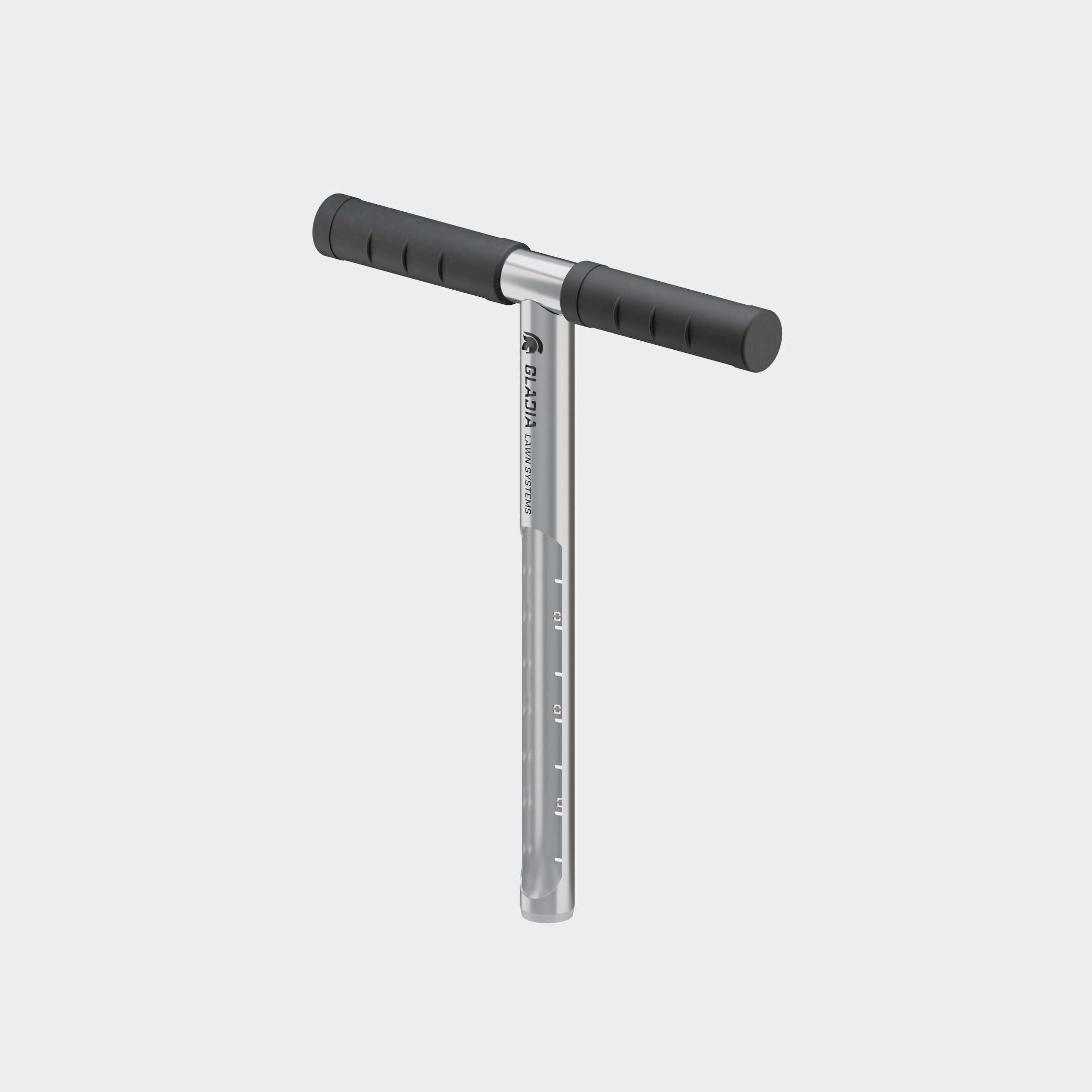
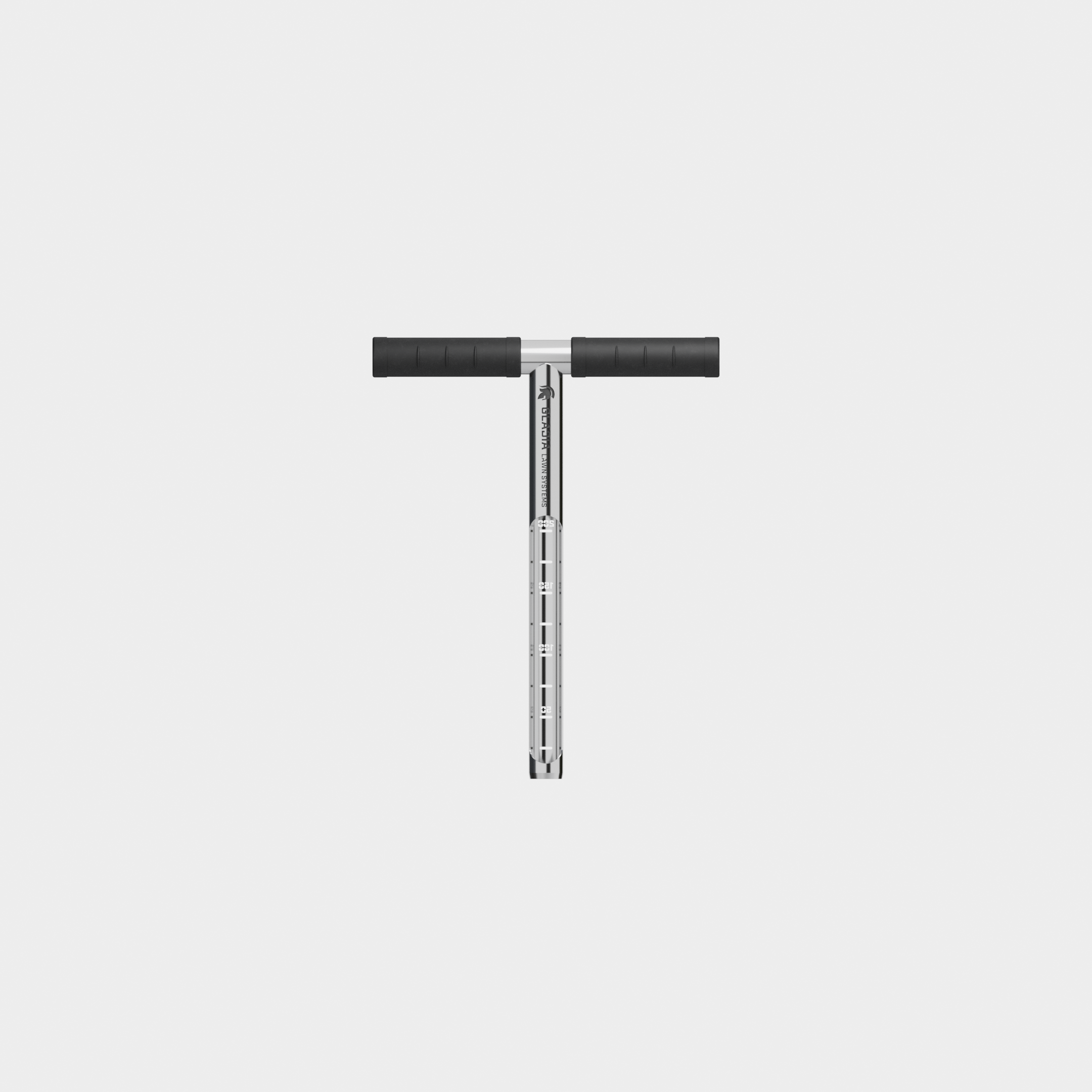
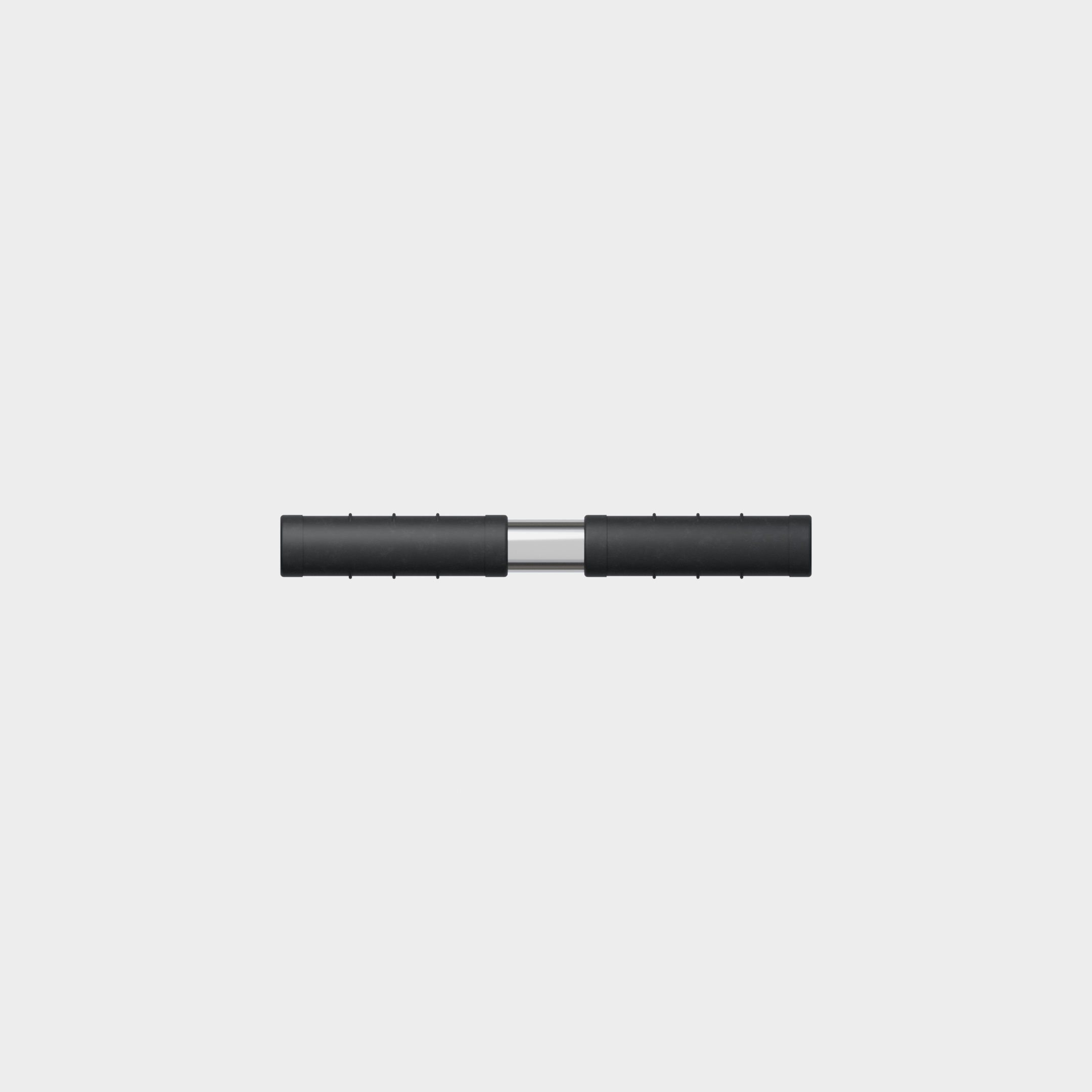
| Handle | Ergonomic T-handle with rubberized grip |
| Handle width | 280 mm |
Key Benefits
Ergonomic design
A T-handle with 280 mm width and a rubberized grip enables safe and comfortable soil penetration with minimal effort.
Engineering precision
The robust stainless steel construction prevents tube bending even in compacted soils and ensures long service life without rust.
Engraved measurement scale
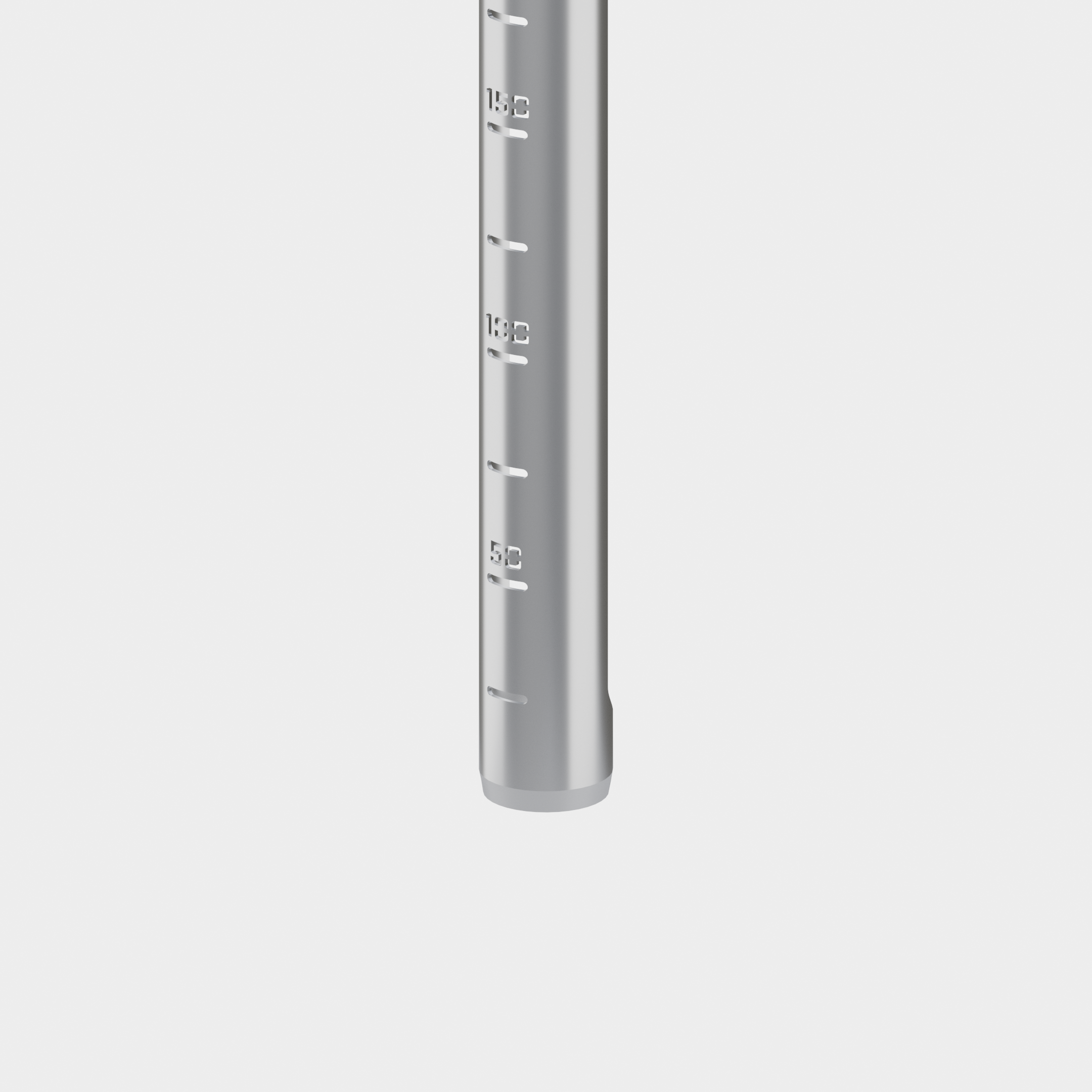
Allows consistent sampling at a precisely defined depth, which is crucial for obtaining reliable laboratory results.
Full visibility
The wide 28 mm tube enables extraction of a complete soil core without compressing layers, making it easier to accurately assess root systems and soil structure.
Neutral, non-contaminating material
Stainless steel prevents sample contamination and allows easy cleaning—important when working with different clients.
Minimal effort
The sharpened probe tip ensures easier ground penetration, making the work faster and less physically demanding.
Easy sample release
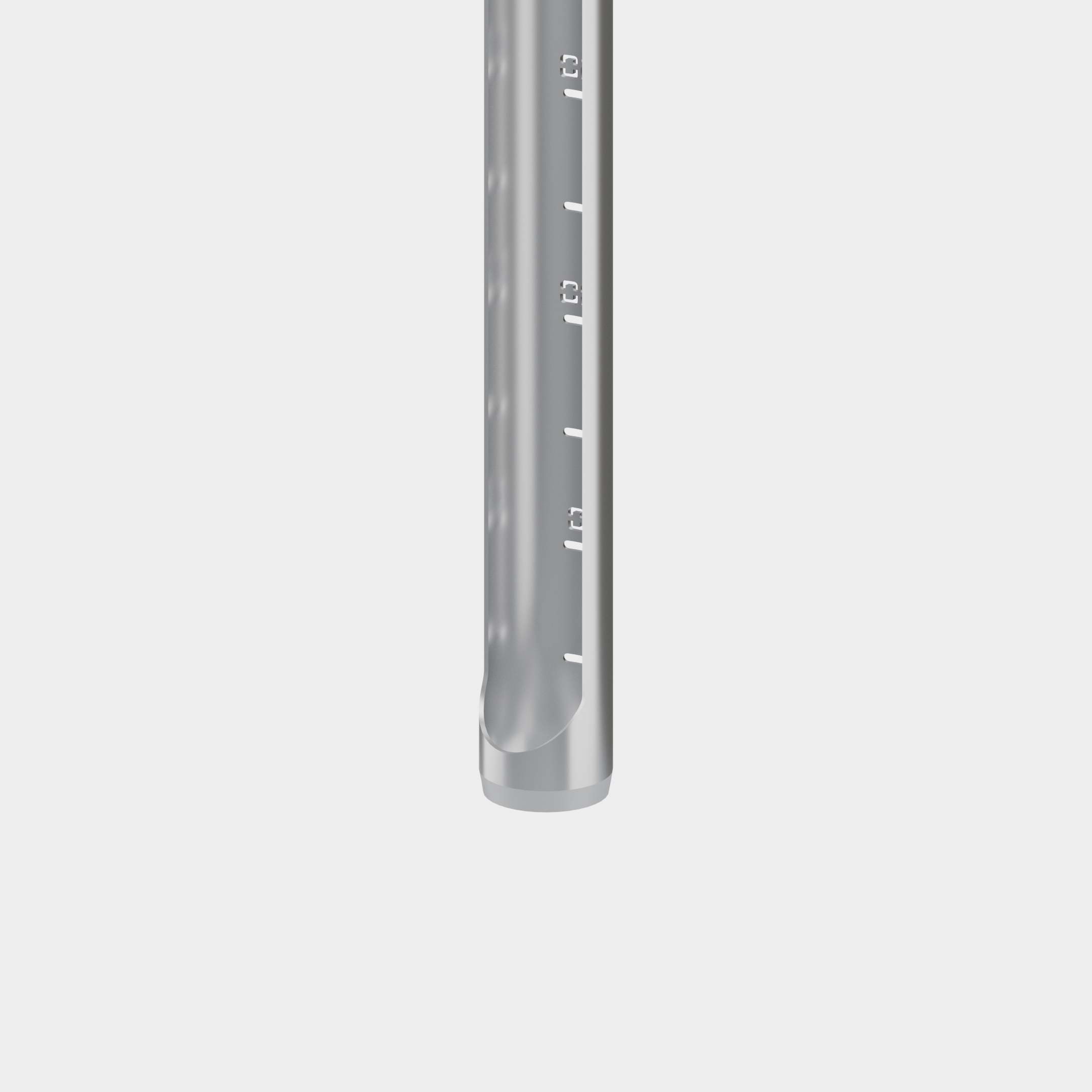
Thanks to the wide side opening, the sample can be pushed out easily without damaging its natural layering.
Intended Use
Two key purposes of use:
1. Soil structure inspection
The GLADIA soil probe gives you direct insight into soil composition, allowing you to assess:
- Soil compaction and type: Determine whether you have clay, loam, or sandy soil and how permeable it is for roots.
- Moisture: Check whether water actually reaches the roots or if, due to compaction, it stagnates uselessly on the surface.
- Thatch layer (dead grass): Measure the thickness of organic residue layers that can literally suffocate your lawn and block air access.
- Monitoring the effectiveness of treatments: Use the probe to directly check the effects of aeration and the depth of sand penetration into the soil structure.
2. Laboratory soil composition analysis before fertilization
The GLADIA probe is an ideal tool for collecting samples for chemical analysis before spring or autumn fertilization.
Important: Always take samples in accordance with the specific guidelines of your chosen soil analysis center (e.g. agricultural institute) to ensure relevant and accurate results.
Who Is the GLADIA Probe For?
For lovers of a perfect lawn
Don’t fertilize blindly. The probe allows you to become the “doctor” of your lawn. With a few samples, you will clearly understand why grass does not grow in certain areas and which treatment—aeration, topdressing, or fertilization—is actually needed.
For professional landscapers
Provide your clients with top-level service based on data and laboratory-backed decisions. The probe meets standard laboratory sampling protocols and is durable enough for daily use across different terrains—from private gardens to sports fields.
Solutions tailored to your lawn
Steps After Sampling
Once you determine the actual condition with the GLADIA probe, we recommend the following actions:
1. Verticutting
If you notice a thick thatch layer (dead grass) in the sample, remove it with a scarifier. This allows the lawn to breathe and reduces the spread of moss and weeds.
2. Adding silica sand
If the sample is clay-heavy, use sand. This will permanently improve drainage and reduce soil compaction.
3. Aeration
If the soil is compacted and roots are short, create channels with an aerator. This opens paths for air, water, and nutrients to deeper layers, encouraging strong root development for a dense, healthy, and drought-resistant lawn.
4. Adding organic soil or compost
If the sample appears depleted and lacks structure, restore soil vitality by adding high-quality organic matter.
5. Targeted fertilization
Don’t fertilize blindly. Based on the analysis results obtained with the probe, add only the nutrients your soil actually lacks.
Frequently Asked Questions
For DIY Homeowners
Why is the 28 mm diameter important?
A wider tube allows the sample to remain in one piece, giving you a clearer view of soil structure and roots.
Can I sample anywhere?
It is best to take several samples from different parts of the area and mix them, unless a specific part of the lawn is visibly lagging in growth.
How do I know if I need to add silica sand?
If the sample from the probe appears compacted and does not crumble, your soil is likely too clay-heavy.
When is the best time to perform analysis?
We recommend sampling once per year, ideally in spring or autumn, before main fertilization.
Does the probe damage the appearance of the lawn?
No. It only creates a small, clean hole that naturally closes after the first rain or watering.
For Professional Users
Do the dimensions meet standards for soil research?
Yes. A depth of up to 200 mm covers the entire active root profile of most turfgrasses and agricultural crops.
Is it suitable for sampling sports fields?
Excellent for golf courses and football fields, where monitoring sand and thatch layers is critical for playing surface quality.
Does the sample remain inside the probe?
Yes. The design retains the core during extraction, which you then easily push out through the side opening.
How accurately can I determine depth?
The probe includes a measurement scale, allowing consistent sampling according to laboratory guidelines.
Do I need to clean the probe after use?
To avoid contamination, cleaning is recommended after each use and between individual samples.